

Arequipa
The Jewel of the Peruvian South”
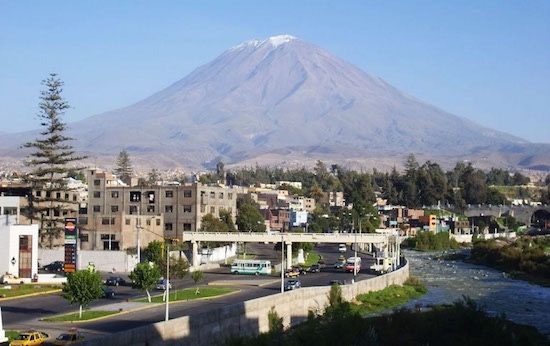
From the moment I arrived, I was impressed by the imposing Misti volcano, which rises majestically above the city. The Plaza de Armas, with its impressive cathedral and its beautiful arches, is the heart of Arequipa. Walking around its surroundings allowed me to appreciate the Spanish colonial architecture, especially in the Monastery of Santa Catalina, a convent that is practically a city within the city. Its colorful streets and courtyards are a delight for the eyes and a trip to the past.


In addition to its rich history, Arequipa is also famous for its delicious gastronomy. I enjoyed typical dishes such as the stuffed rocoto, the shrimp chupe and the Arequipa adobo, each one more tasty than the previous one. Local restaurants and spiceries offer an authentic and memorable culinary experience.
One of the highlights of my visit was the Andean Sanctuaries Museum, where I could see the famous mummy Juanita, an Inca girl sacrificed more than 500 years ago. This exhibition offers a fascinating insight into the ancient Inca traditions and beliefs.
The mild and sunny climate of Arequipa, together with the kindness of its inhabitants, made my stay even more pleasant. In short, Arequipa is a city that perfectly combines history, culture and nature, offering visitors a rich and varied experience.

Cañon del Colca
The Colca Canyon, located in the Arequipa region of Peru, is one of the deepest canyons in the world and a natural wonder that cannot be missed. My experience in the Colca Canyon was simply spectacular and full of unforgettable moments.
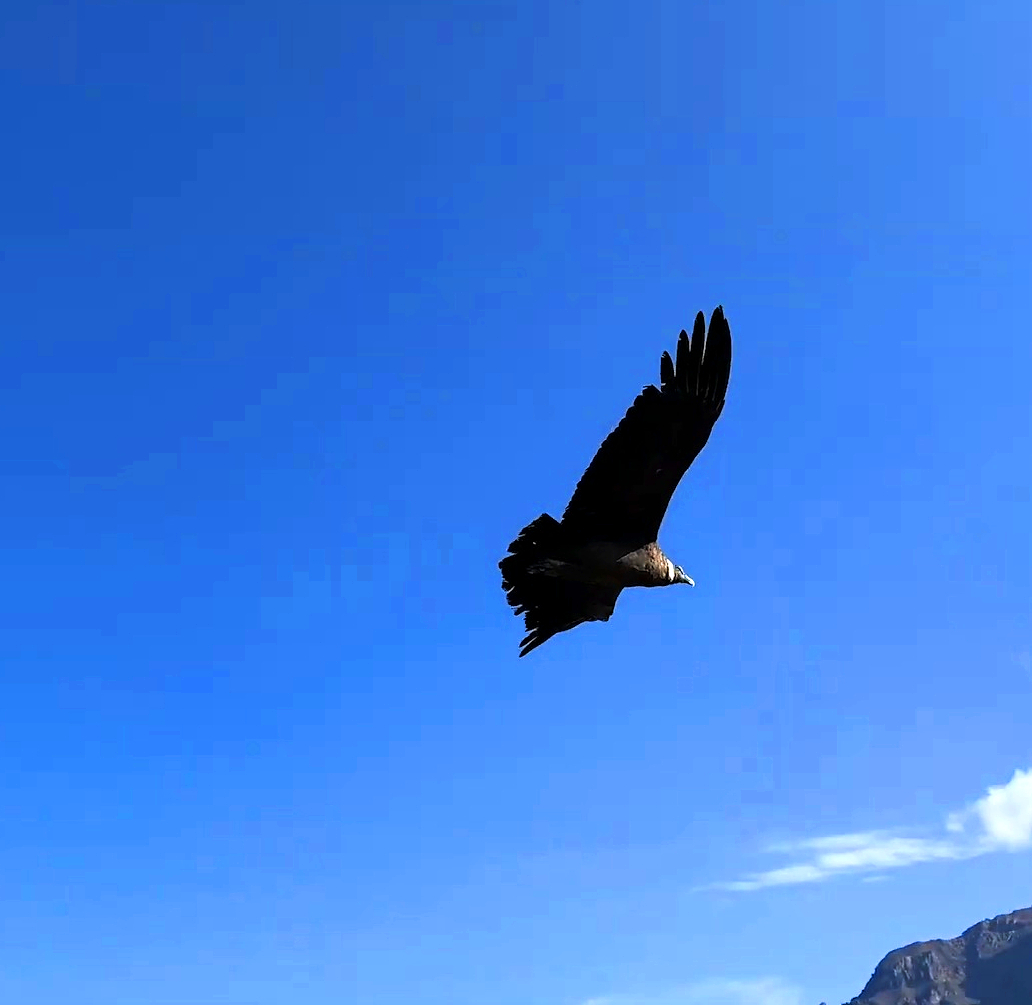
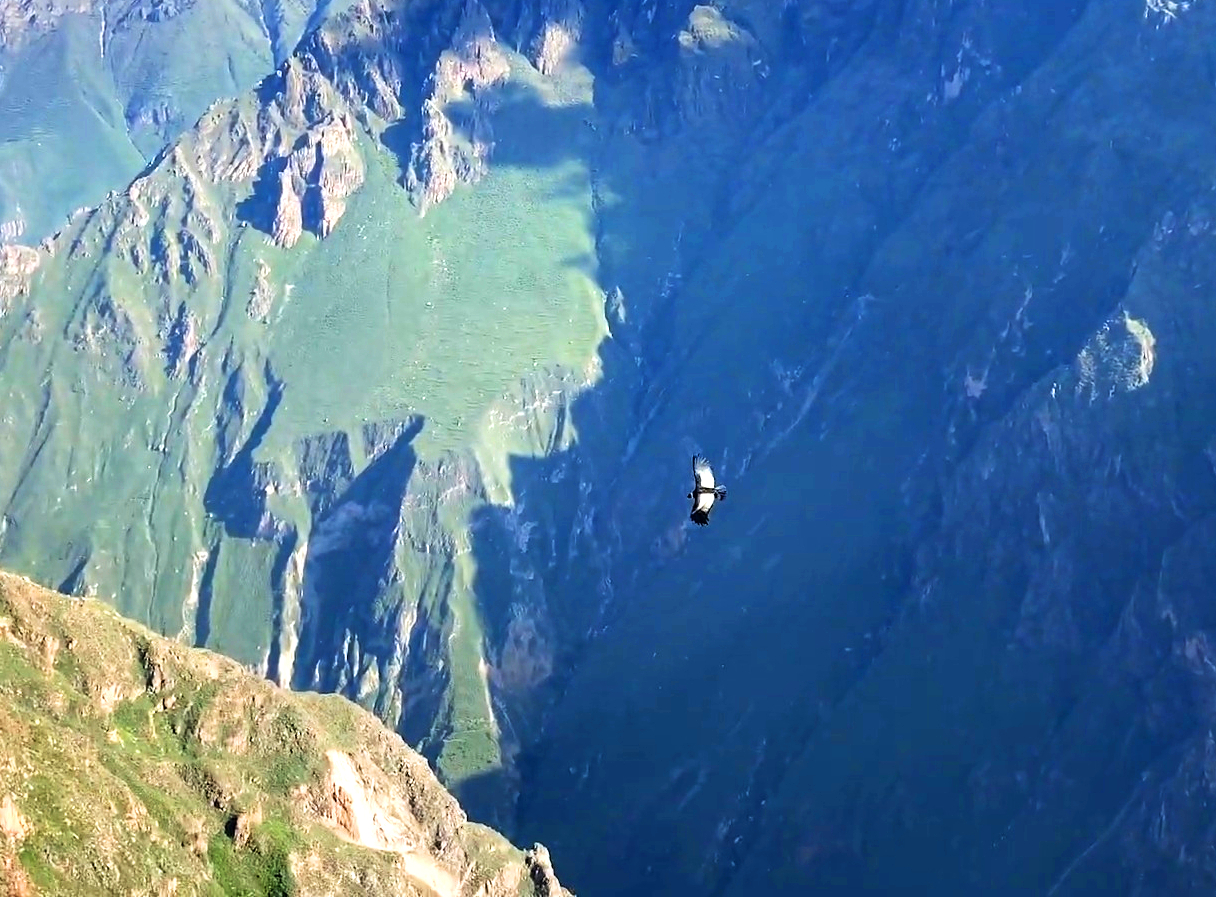
The adventure began with a trip from Arequipa through breathtaking Andean landscapes, passing through picturesque villages and agricultural terraces dating back to the pre-Inca era. Getting to the Cruz del Cóndor viewpoint was one of the highlights of the visit. Here, I was lucky enough to observe the majestic flight of the Andean condors, which took advantage of the thermal currents to soar over the canyon. Seeing these huge birds in their natural habitat was an overwhelming experience.
The Colca Canyon not only offers breathtaking panoramic views, but also the opportunity to go on hikes and excursions in its surroundings. The trails took me through varied landscapes, from arid areas to green valleys and rushing rivers. Along the way, I was able to interact with the local communities and learn about their way of life and their traditions, which have endured over the centuries.
In addition, the Colca Canyon is known for its natural hot springs. Relaxing at the thermal pools of Chivay after a day of exploring was a perfect way to end the day, enjoying the peaceful surroundings and the views of the canyon.
In short, visiting the Colca Canyon was an enriching and exciting experience, which combined natural beauty, outdoor adventure and rich local culture. It is an essential destination for any traveler in Peru.
Arequipa food
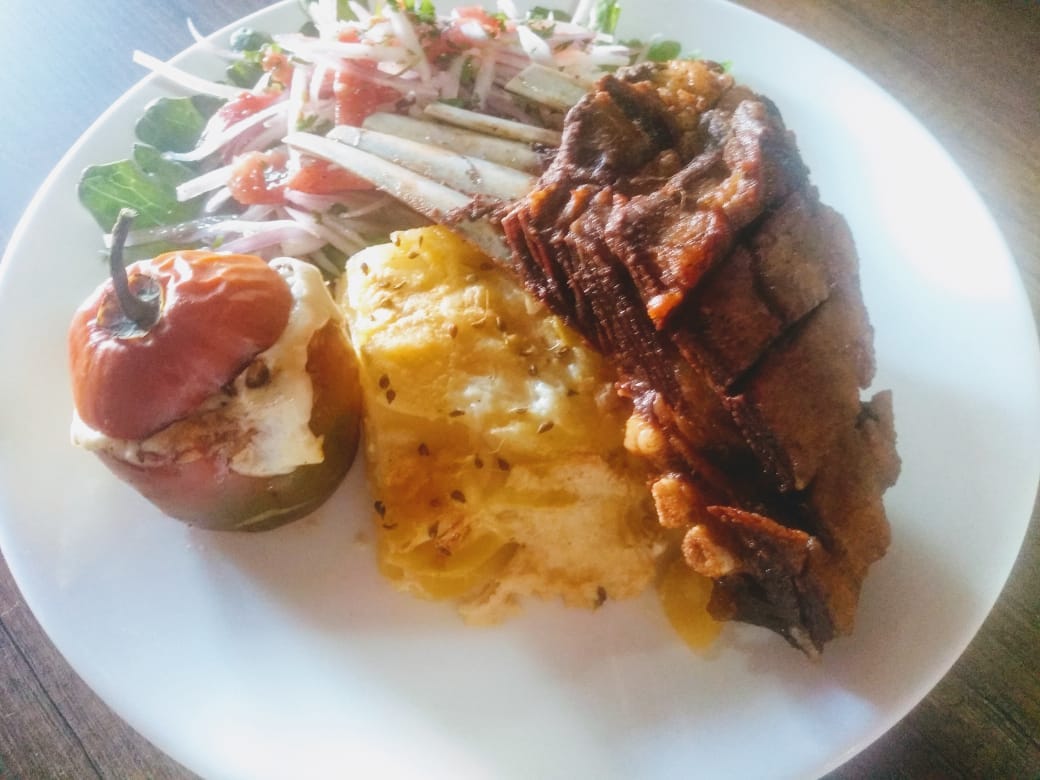
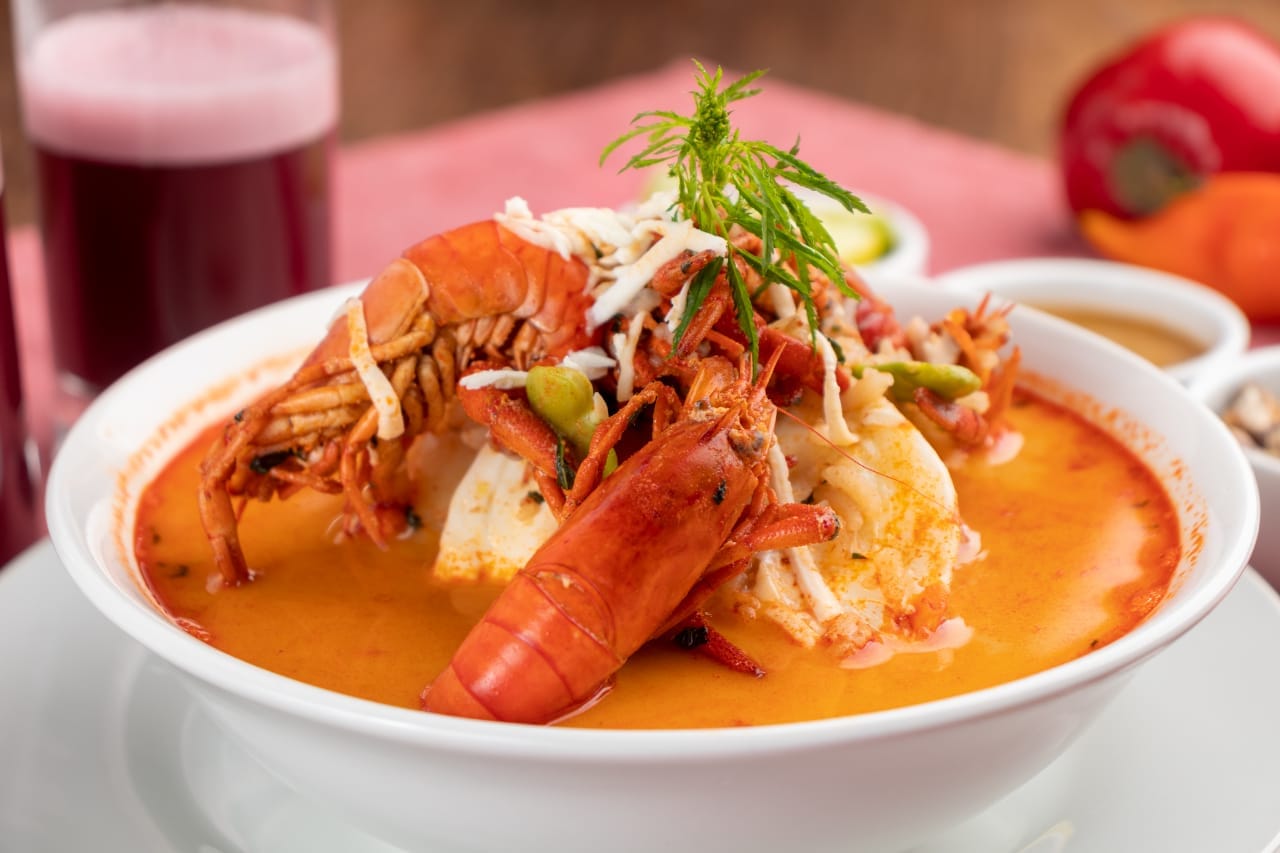
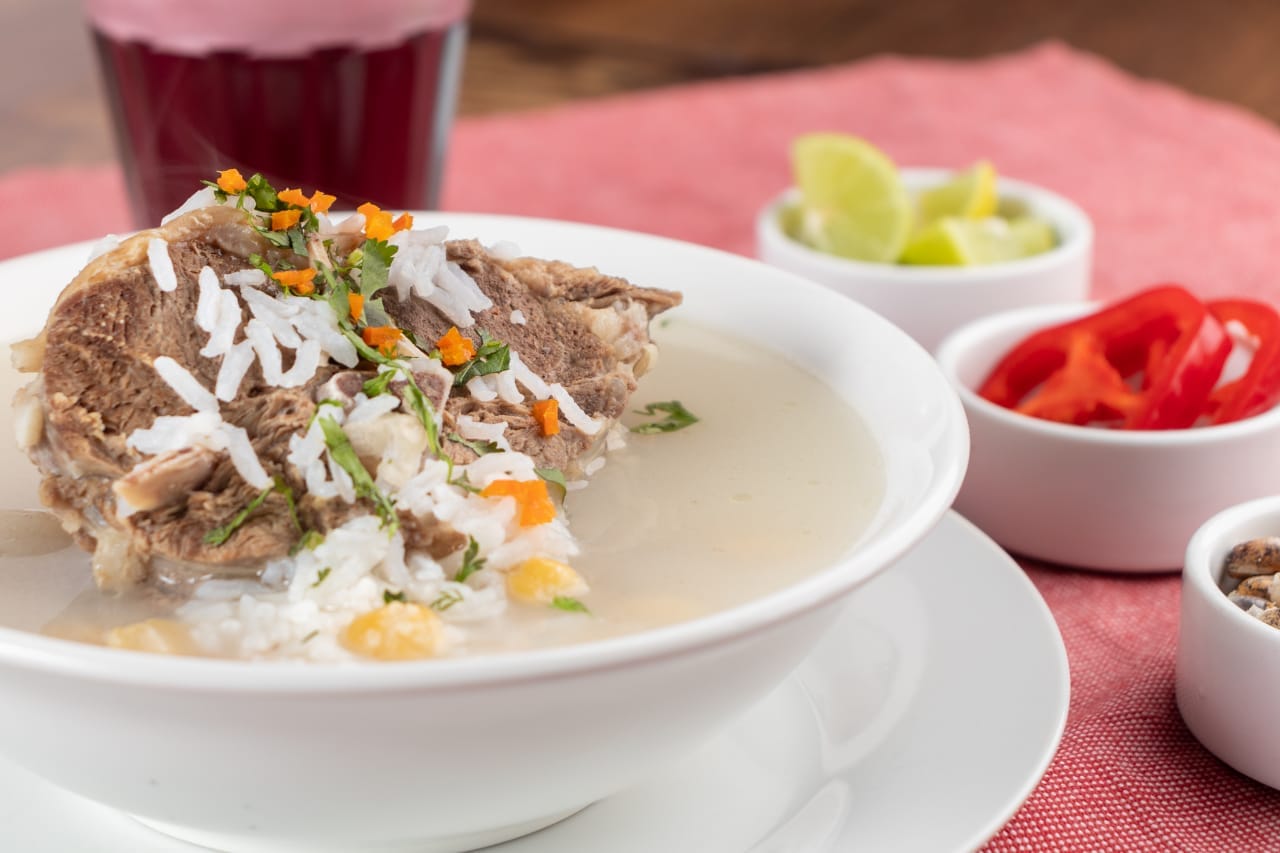
The city of Arequipa, known as the “White City”, not only stands out for its impressive colonial architecture and its proximity to the majestic Misti volcano, but also for its rich and varied gastronomy, one of the most appreciated in Peru.
Arequipa’s gastronomy has achieved a unique fusion between pre-Columbian indigenous traditions and Spanish colonial influences, which has resulted in unique dishes, full of flavor, history and culture.
The Picanterías: The Heart of Arequipa Cuisine One of the most emblematic elements of the gastronomic culture of Arequipa are the “picanterías”, small traditional restaurants where ancient recipes and ancestral cooking methods are preserved.
The name “picantería” derives from the term “spicy”, due to the characteristic use of chili peppers in many of its dishes. These picanterías, many of them with more than a century of history, represent much more than a place to eat; they are gastronomic temples where culinary traditions are transmitted from generation to generation.
The picanterías, which used to be the meeting point of peasants and farm workers, still maintain a rustic and cozy atmosphere. The sound of the stove, the large clay pots, and the aromas that surround these spaces transport visitors to a unique experience, intimately linked to the identity of the city