

Explore the Sacred Valley of the Incas: Discover Its Rich Culture and History
Sacred Valley of the Incas in the Andean highlands of Peru, is a region of great historical, cultural, and natural significance. This valley, also known as the Urubamba Valley, was a vital area for the Inca Empire due to its rich agricultural lands, strategic location, and spiritual importance.
Imagine a place where ancient history and breathtaking landscapes blend seamlessly a place where every step you take brings you closer to the heart of the Inca civilization. The Valley is more than just a stunning stretch of land between Cusco and Machu Picchu. It’s a place where you can walk among centuries-old ruins, marvel at the ingenuity of Inca architecture, and feel the spiritual energy that still lingers in the air. From the majestic terraces of Ollantaytambo to the mystical circles of Moray, every site has a story to tell.


What Are Essential Sites to Visit in the Sacred Valley of the Incas?
Sacred Valley of the Incas, Uncover the must-visit sites that highlight the rich history and natural beauty of this captivating region.
From the iconic ruins of Ollantaytambo and Pisac to the ancient agricultural terraces and vibrant local markets, each location offers a unique glimpse into the Incan civilization. Discover the breathtaking landscapes that surround these sites, enhancing your experience with stunning views of the Andes. With each visit, you’ll gain deeper insights into the culture and traditions that have shaped this area, making it a journey filled with exploration and discovery.
Explore the Allure of the Sacred Valley for an Unforgettable Experience
Sacred Valley of the Incas, immerse yourself in the enchanting landscapes and rich history of this iconic region. With its ancient archaeological sites, traditional Andean culture, and breathtaking natural beauty, it offers a unique travel experience. Whether you’re exploring Inca ruins, visiting vibrant local markets, or trekking through picturesque valleys, every moment is filled with discovery. This journey invites you to uncover timeless charm and deep cultural heritage, making it a must-see destination in Peru.
Discover Lost Inca Treasures in the Sacred Valley
Uncover the hidden Inca treasures nestled within the valley. This adventure takes you beyond the popular landmarks to explore lesser-known archaeological sites and mysterious ruins. Journey through serene landscapes and traverse ancient paths that reveal the ingenuity and artistry of the Inca civilization.
Each discovery offers a deeper connection to history and a unique glimpse into a bygone era. Experience the thrill of exploration and the beauty of unspoiled nature in the Sacred Valley of the Incas while searching for these lost treasures, making your visit truly unforgettable.


Location
Top Activities to Experience in Valley
Explore the best activities this captivating region has to offer. From visiting ancient Inca ruins and vibrant local markets to trekking through stunning mountain trails and enjoying traditional Andean culture, there’s something for every traveler. Whether you’re seeking adventure, history, or cultural immersion, the Sacred Valley of the Incas provides unforgettable experiences that showcase its natural beauty and rich heritage. Discover why this destination is a must-visit for those looking to experience the heart of the Andes.
Cultural Insights: Join Local Traditions and Festivals
Immerse yourself in the vibrant culture by participating in local traditions and festivals. These celebrations offer a unique opportunity to connect with the rich heritage of the region, from colorful parades and traditional dances to sacred rituals and seasonal festivities. By joining in, you’ll experience firsthand the deep-rooted customs and community spirit that define life in the Andes. It’s a cultural journey that adds meaning and depth to your travels, leaving you with unforgettable memories and a deeper appreciation for the local way of life.


Information
Location: Provincias de Urubamba y Calca.
Altitude: Pisac (2,972 msnm),
Urubamba (2,871 msnm),
Ollantaytambo (2,792 msnm)
Chinchero (3,762 msnm).
Routes: Pisaq and Chinchero
Hours of travel: From 5 to 6 hours
Mobility: Mini van, Taxi, Bus
Best season: May to November
Departure city: Cusco
¿What Makes the Sacred Valley of the Incas Cultural Gem?
Discover the unique elements that elevate this region to cultural gem status. Rich in history and tradition, it showcases remarkable Inca ruins, vibrant local markets, and age-old customs that continue to thrive today. The stunning landscapes provide a breathtaking backdrop for cultural experiences, allowing visitors to connect with the land and its people. From traditional craftsmanship to lively festivals, the valley offers an immersive journey into the heart of Andean culture, making it an essential destination for those seeking to understand and appreciate Peru’s rich heritage.
¿What Is Unique About Incan Architecture Here?
Explore the distinctive features of Incan architecture that define this remarkable region. Renowned for its advanced engineering and construction techniques, Incan structures are characterized by their precise stonework, harmonious integration with the natural landscape, and innovative agricultural terraces. The use of locally sourced materials and the ability to withstand earthquakes showcase their ingenuity. Additionally, many sites reflect the spiritual and astronomical significance embedded in their design. This exploration reveals how Incan architecture not only served practical purposes but also embodied the cultural values and beliefs of the civilization, making it a fascinating subject for visitors.
Ruinas de Pisaq
Sacred Valley of the Incas
Pisac Ruins: Located on top of a mountain, the Pisac ruins are a testimony of the Inca greatness and its deep connection with nature. This sacred place, surrounded by impressive agricultural terraces that seem to embrace the earth, evokes a feeling of harmony and spirituality. It is said that Pisac was an important ceremonial and astronomical center, where the Incas paid homage to the Andean gods. Walking along its paths, one can feel the ancestral energy still pulsating in the air, as if the stones themselves were whispering secrets of a glorious past.
Ruins of Ollantaytambo: This site, known as the “Tambo de Ollanta”, is a symbol of resistance and strength. The imposing stone structures, which stand majestically over the sacred Valley, tell the story of a people who fought for their freedom. Ollantaytambo was not only a military center, but also a place of worship, where rituals were carried out in honor of the Pachamama and the ancestors. The energy of this place is palpable, and many visitors feel a deep connection with the history and culture that emanates from its walls. The terraces that descend towards the Urubamba River seem to be a bridge between heaven and earth, inviting contemplation and reflection.

Ollantaytambo an archaeological center located in the Sacred Valley of the Incas
Ollantaytambo was an important administrative and military center during the Inca Empire.
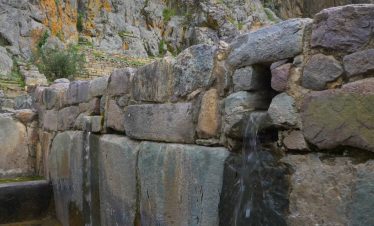
The ruins include large agricultural terraces, temples, and a complex water system that demonstrates the advanced knowledge of the Incas in hydraulic engineering. One of the most outstanding elements is the Temple of the Sun, which presents huge stone blocks perfectly carved and fitted, which evidences the mastery of the Inca craftsmen.
In addition, the ruins are located on a mountainous slope, which offers spectacular views of the surrounding valley. This site is not only a testimony to the greatness of the Inca civilization, but it is also a sacred place that remains of great importance to local communities and visitors.



Which centers include the Sacred Valley of the Incas?
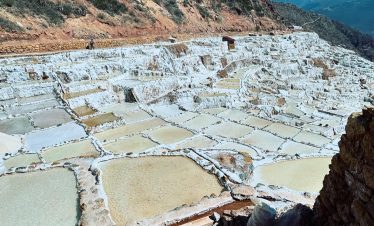
Maras is known for its impressive salt pans, which have been used since pre-Inca times. These salt terraces, which are located in a mountainous valley, are fed by a saline spring and have been exploited by local communities for centuries.
The landscape is spectacular, with thousands of white pools that contrast with the natural environment, creating a unique and picturesque view.
Moray, on the other hand, is famous for its unusual circular terraces that are believed to have been used by the Incas for agricultural experiments. These structures allow a different microclimate at each level, which facilitated the cultivation of various plant species. Moray is an impressive example of Inca agricultural engineering and its understanding of the environment.
Chinchero, known as the “Birthplace of the Rainbow,” is a picturesque Andean village rich in history and culture. Famous for its well-preserved Inca terraces and colonial-era church, it offers stunning views of the Sacred Valley.
Visitors can also experience traditional weaving demonstrations, where local artisans showcase ancient textile techniques passed down through generations. Chinchero is a perfect blend of natural beauty and cultural heritage, making it a must-visit destination in the region.