Unleash Your Adventure in Peru: Top Strategies for Maximizing Your Peruvian Trek
Unlock the full potential of your Peruvian adventure by learning valuable insider knowledge on how to maximize your trekking experience in this beautiful and diverse region.
Frequently Asked Questions: Considerations for Hiking and Adventures in the Peruvian Andes
1. What equipment is essential for hiking in the Andes?
For trekking in the Andes, you need high-quality hiking boots, layered clothing (including thermal clothing and a raincoat), hat and gloves, sun protection, trekking poles, and a light backpack with enough space for water, food and emergency items.
2. Is it necessary to acclimatize before trekking in the Andes?
Yes, it is highly recommended to acclimatize for at least two or three days before starting any high altitude hike. The Andes have areas that exceed 4,000 meters, and it is common for visitors to suffer from altitude sickness if they do not acclimatize properly.
3. What is the best time of the year to go hiking in the Andes?
The dry season, between May and September, is the best time for hiking in the Andes. During this period, the weather is more stable, with sunny days and cold nights, which makes hiking easier.
4. What should I do if I experience altitude sickness during trekking?
If you experience symptoms such as headache, nausea or extreme fatigue, it is best to rest, hydrate and descend to a lower altitude if the symptoms persist. Taking medicines such as acetazolamide tablets or drinking coca tea can help relieve mild symptoms.
5. Is it possible to do trekking in the Andes without a guide?
Although some trails are well marked, it is advisable to hire a local guide, especially on more remote or complex routes such as the Salkantay Trek or the Ausangate Trek. The local guides know the terrain and can ensure that your experience is safe and enjoyable.
6. What level of experience is needed to do trekking in the Peruvian Andes?
The Andes offer routes for all skill levels. From easy hikes such as those of the Sacred Valley to the demanding routes of the Inca Trail or Choquequirao, hikers should evaluate their physical condition before selecting a trekking. However, all hikes require a good level of endurance due to the altitude.
7. What kind of fauna and flora can I expect to see during trekking in the Andes?
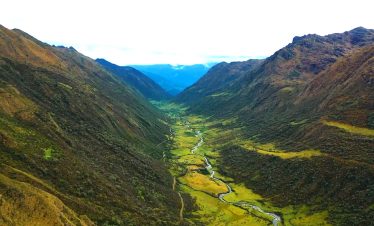
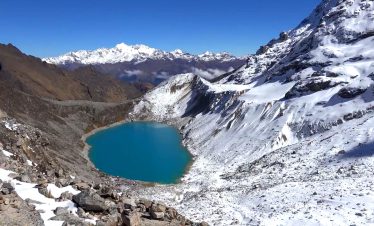
During your trekking, you will be able to observe a diversity of fauna, including llamas, alpacas, condors, and sometimes vicuñas. The flora varies with altitude, from tall grasslands to small shrubs and local medicinal plants. The landscapes include snowy mountains, glaciers and vibrantly colored lagoons.
8. What safety measures should I take into account during trekking in the Andes?
Always follow the recommendations of your guide and walk at your own pace. Take a first aid kit, sunscreen, and enough water with you. Make sure you are physically prepared and let someone know your itinerary if you decide to walk without a guide on popular routes.
9. How does the climate of the Andes affect hiking?
The weather in the Andes is unpredictable, with sunny days followed by sudden rains. During the night, temperatures can drop sharply, especially in areas of higher altitude. It is essential to be prepared for changing conditions with layered clothing and a good raincoat.
10. Is it safe to do trekking in the Andes with children or elderly people?
Some trails are suitable for families and the elderly, such as those in the Sacred Valley or short hikes near Cusco. However, longer hikes and at high altitudes can be demanding, so it is important to consult with a guide and make sure that all members of the group are in good physical condition.