Festivals and Tradition in Peru: A Journey through Time and Culture
Festivals and Tradition in Peru
Peru is a country where history and culture vibrate strongly, and nothing reflects this richness better than its festivals and traditions. Throughout the year, Peru’s cities and towns come alive with celebrations that honor both their indigenous roots and their colonial heritage, offering visitors a unique window into the country’s identity and spirit.
Virgen del Carmén - Paucartambo
One of the most emblematic festivities is the Feast of the Virgin of Carmen in Paucartambo, a celebration that fuses Catholic beliefs with Andean rituals.
For several days, the town is filled with color, music and dance, while the streets become a living stage where mythical characters, such as the “Maqtas”, carry out representations full of symbolism and devotion.
In 1982 Pope John Paul II crowned the Virgin of Carmen in a special ceremony held in the city of Cusco
In this season you can see the impressive sunrise in the Tres Cruces sector.
Inti Raymi - Cusco
The Inti Raymi, or Fiesta del Sol, is another outstanding celebration that takes place every June 24th in Cusco. This event revives the ancient Inca tradition of paying homage to the Sun god, and is one of the most important festivities of the Peruvian calendar. With dances, parades and a recreation of the Inca ritual in the impressive fortress of Sacsayhuaman, Inti Raymi offers an immersive experience in the legacy of the Incas.
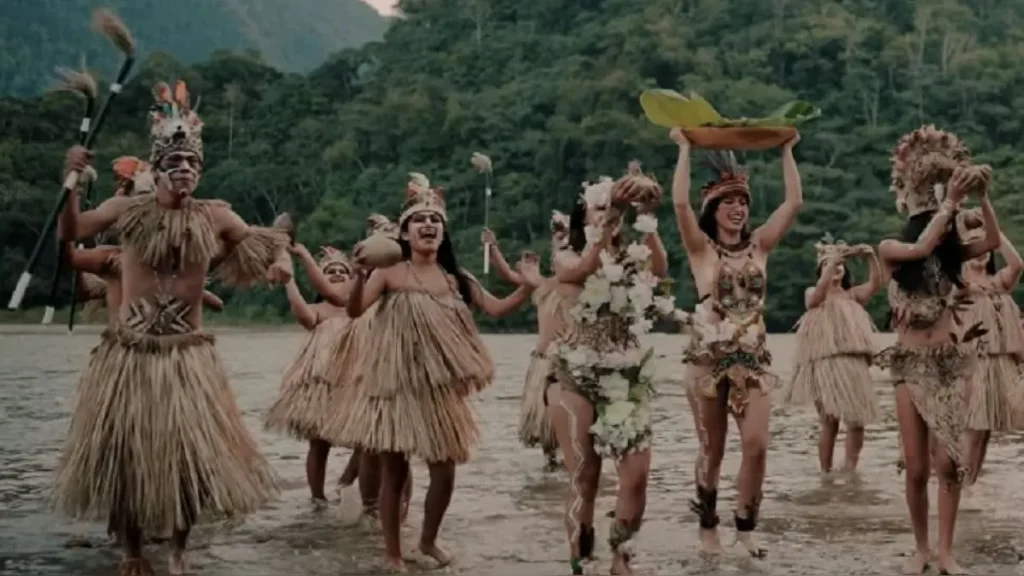
San Juan - Jungle Peru
But Peru is not only ancient history; it is also a land of modern flavors and sounds.Moderna The Feast of San Juan in the Amazon is a perfect example of how traditions continue to evolve. Celebrated on June 24th, this festivity is a celebration of life in the jungle, where typical dishes such as juane are enjoyed and dances are performed to the rhythm of Amazonian music.
Christmas festivities
Christmas festivities in Peru also have a special touch. From the rooster Masses in colonial churches to the traditional “Noche Buena” with the family, Christmas in Peru is a mixture of solemnity and joy, adorned with Andean nativity scenes depicting the birth of Jesus with traditional figures from the mountains.
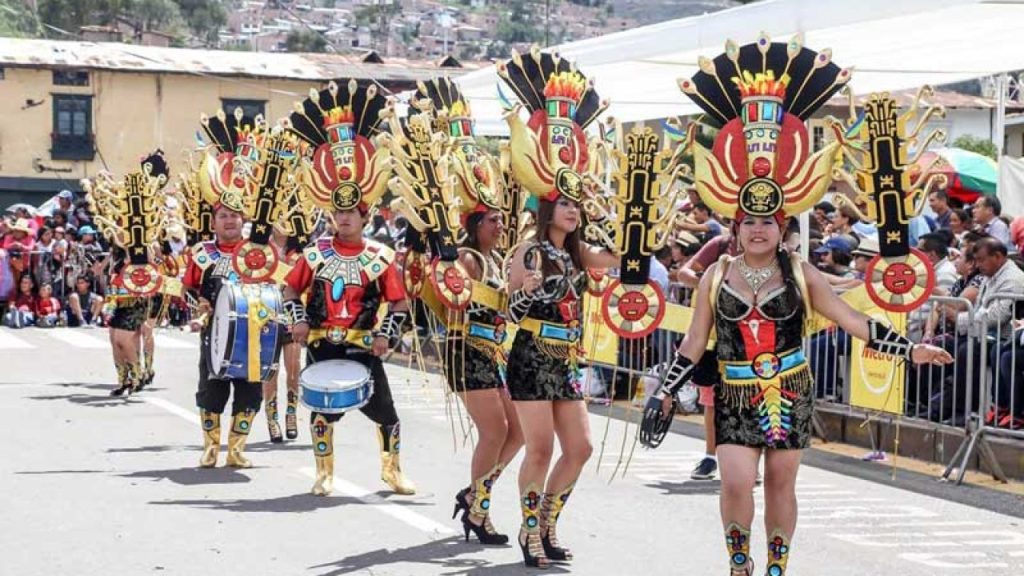
Carnaval de Cajamarca
We cannot forget the Carnival, especially in Cajamarca, where the comparsas, the parades and the water war fill the streets with fun and enthusiasm. Carnival in Peru is an explosion of colors, joy and community unity that shows the festive spirit of the country.
Marinera Norteña
The Marinera Norteña is one of the most representative dances of Peru, originally from the region of La Libertad. This elegant and sophisticated dance combines fluid movements and an infectious rhythm that celebrates the art of courtship. The Marinera, which has its roots in Spanish colonial music and dances, has become a symbol of Trujillo and Peruvian pride in general.
Dressed in traditional costumes, the dancers show a choreography that tells the story of a romance between a man and a woman, using scarves as accessories to express their emotions. The dance is accompanied by typical music, including violins, cajones and guitars, creating a festive and cheerful atmosphere. The National Marinera Competition, held annually in Trujillo, attracts dancers and spectators from all over the country, becoming an event of great cultural and social importance.
Virgen de la Candelaria Peru
Festivities of the Virgen de la Candelaria
The Festivities of the Virgen de la Candelaria, celebrated in the city of Puno, are one of the largest and most colorful festivities in Peru. This religious celebration, which takes place every February, is a vibrant mixture of Catholic devotion and ancestral Andean traditions. The festival honors the Virgen de la Candelaria, patron saint of the city, and lasts for two weeks full of events, processions, and cultural manifestations.
The most outstanding event is the Great Festival of the Virgen de la Candelaria, which includes spectacular parades, folk dances, and traditional music. The participants dress up in elaborate and colorful costumes, representing various communities and indigenous groups of the region. The dances, such as the Diablada and the Morenada, are performed with great passion and skill, and the festive atmosphere is filled with joy and religious fervor.
In addition to the religious dimension, the festival is a celebration of the cultural identity of the altiplanic region. Visitors have the opportunity to experience the richness of local traditions, taste typical dishes, and participate in an event that unites the community in a vibrant expression of faith and culture.
Each of these festivals and traditions is an invitation to immerse yourself in the essence of Peru, a country where the past and the present are intertwined in celebrations that have lasted through the centuries. For visitors, participating in these festivities is a unique opportunity to connect with the soul of Peru and take a little piece of its culture to heart.